
Experience
Investigate community needs, practise new skills and develop projects. Connect classroom learning with fieldwork and internships.
Discover student work ↗
CENTER FOR INCLUSIVE INNOVATION & ENTREPRENEURSHIP
Learning that connects ideas, enterprise and social responsibility.
Build the knowledge and practical skills to respond to real challenges in communities, through inclusive innovation and entrepreneurship.
Explore CIIE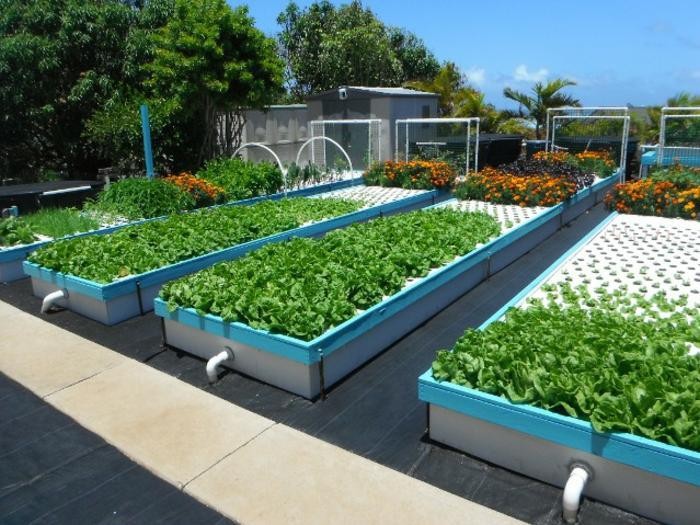
01 / THE CIIE APPROACH
CIIE brings academic learning together with practical application, project incubation and field experience, with particular attention to learners from marginalized and displaced communities.
Investigate community needs, practise new skills and develop projects. Connect classroom learning with fieldwork and internships.
Discover student work ↗Learn from people, contexts and perspectives. Use empathy, critical reflection and rights-based approaches to ask better questions.
Our learning principles ↓Turn a well-understood problem into a prototype, business model or policy response. Test ideas against inclusion and sustainability.
Explore the curriculum ↓02 / THE DIPLOMA FRAMEWORK
The supplied diploma framework combines foundations, five learning strands, an applied project and an internship.
| Learning component | Duration | Credits | Learning focus |
|---|---|---|---|
| Foundations | 1 week | 1 | Orientation and academic readiness |
| Coursework | 12 weeks | 17 | Core modules across five strands |
| Project development & paper | 8 weeks | 4 | Applied research, development and writing |
| Internship | 4 weeks | 2 | Field placement and professional practice |
*515 hours is the stated programme total. Detailed hour allocations differ within the source and require confirmation. The earlier programme uses a different schedule; this page follows the 25-week framework.
Download the curriculum framework PDF ↓03 / WHAT YOU EXPLORE
Connect research, social innovation, enterprise, technology and responsible leadership.
Academic reading and writing, referencing, critical reasoning and participatory action research.
Learning in practice: A research framework and evidence-based written work.
Inclusive innovation, human-centred design, empathy mapping, prototyping and impact measurement.
Learning in practice: A tested concept and an impact framework.
Entrepreneurial thinking, business models, finance, resource and team management, marketing and pitching.
Learning in practice: A business model, budget and project pitch.
Digital collaboration, ethical AI, digital marketing, data analysis and civic technology.
Learning in practice: Digital content, campaigns or data-informed project outputs.
Climate and resources, human rights, citizenship, advocacy, mediation, peacebuilding and policy.
Learning in practice: A policy brief, community response or sustainability analysis.
04 / HOW LEARNING HAPPENS
Learning is active, collaborative and connected to social needs.
ASSESSMENT THAT SUPPORTS GROWTH
Feedback, drafts, reflections and practice help learners develop progressively.
Final outputs demonstrate knowledge, skills and attributes through applied work.
Projects may bring together prototypes, research papers, policy briefs, pitches and internship reflections.
Follow the learning pathway ↗05 / PROGRAMME RESOURCES
Programme details are presented from the supplied documents. Admissions dates, fees and current recognition status are not confirmed here.